Florida’s economy is one of the largest and fastest-growing in the United States, driven by industries such as tourism, healthcare, construction, technology, agriculture, logistics, and financial services. As the state’s population continues to grow, economic development and job creation remain central issues for voters, businesses, and policymakers alike.
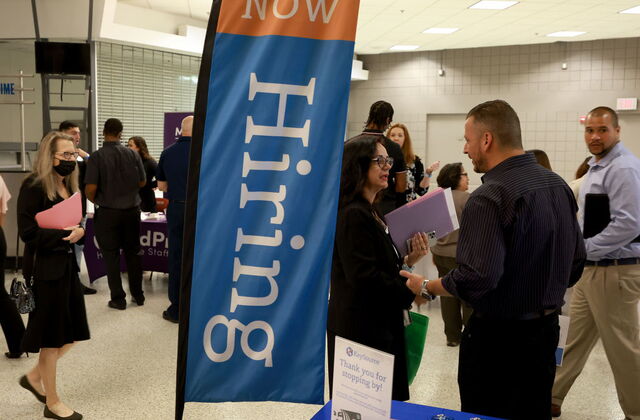
One of the primary goals of economic policy is creating opportunities for Floridians to find stable, well-paying jobs. Workforce development programs, technical education, apprenticeships, and higher education initiatives are often discussed as ways to prepare workers for evolving industry needs. Employers across many sectors continue to seek skilled workers, making workforce readiness an important topic in both local and statewide discussions.
Small businesses also play a vital role in Florida’s economy. From family-owned shops and restaurants to professional service firms and startups, small businesses provide jobs, generate local economic activity, and support communities throughout the state. Policymakers frequently debate regulations, taxes, permitting requirements, and access to capital that can affect business growth and entrepreneurship.
Economic growth often brings new opportunities, but it can also present challenges. Population increases can place additional demands on transportation systems, housing availability, utilities, and public infrastructure. Leaders must balance efforts to attract businesses and investment while ensuring communities have the resources needed to support continued growth and maintain quality of life for residents.
As voters evaluate candidates and public policy proposals, questions surrounding economic competitiveness, job creation, workforce training, and support for businesses remain among the most important issues facing Florida. The decisions made today can influence employment opportunities, wages, and economic prosperity for years to come.